
THANK YOU FOR SUBSCRIBING

Pharma Tech Outlook Weekly Brief
Be first to read the latest tech news, Industry Leader's Insights, and CIO interviews of medium and large enterprises exclusively from Pharma Tech Outlook
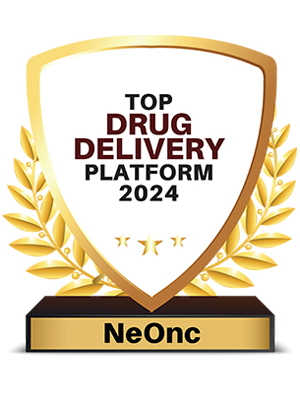
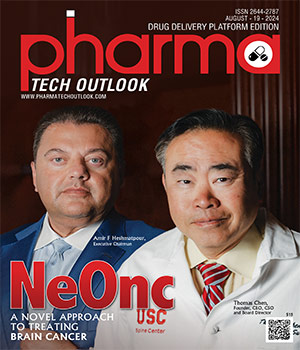
Glioblastoma is recognized as the most aggressive form of brain cancer in adults, with an approximate survival duration of 15 to 18 months, even with the best available treatment. The critical hurdle hindering most medication from reaching the desired site of action is the blood-brain barrier (BBB). Highly selective, the BBB prevents harmful substances from entering delicate cranial tissues. Unfortunately, this protective aspect also hinders many therapeutic drugs from reaching the brain in sufficient concentrations to be effective against tumors. NeOnc Technologies is shifting this paradigm by pioneering first-of-its-kind methods to enhance drug delivery across the BBB. Led by Thomas Chen MD, PhD, a board-certified neurosurgeon and the director of surgical neuro-oncology at the University of Southern California, the company has formulated novel delivery methodologies and therapeutic formulations for cancers of that affect the central nervous system (CNS). Advancing Drug Delivery for Improved Cancer Treatment NeOnc’s drug delivery platform, NEO100, is a purified form of perillyl alcohol (POH) with proven efficacy in helping cancer treatment drugs bypass the BBB. Piggybacking on the first (olfactory) and fifth cranial nerves, its small lipophilic molecular size easily permeates the BBB. It allows delivery of itself or a combinatorial therapeutic directly to a tumor site. Currently in the phase 1/2A trial, NEO100 shows promise and has gained a new chemical entity designation, with the FDA granting it orphan drug status. The drug’s impact on patients with recurrent glioma has been extraordinary, as it showcases a significant increase in median survival times, from that typical 15 to 18 months to up to four years. NEO100 demonstrated tumor shrinkage in MRI scans, suggesting effective drug delivery to the desired site of action. It showcased particularly favorable responses in patients with IDH1 and IDH2 mutations. In the ongoing Phase IIa study, NeOnc’s nasal therapies demonstrated remarkable effects. One cancer patient with a grade IV glioma, IDH1 mutation, had undergone surgery, radiation and chemotherapy with continued progression. After this ordeal, she switched to NeOnc’s treatment, which reduced her cancer dramatically on MRI scans, without needing invasive procedures or strong IV infusions. After receiving the non-invasive therapy at home, she eventually achieved almost complete remission of her cancer. Equally impressive are the combinatorial therapies, one of which is NEO212. It was created by conjugating NEO100 with Temozolomide (TMZ), the gold standard for treating CNS-based cancers such as glioblastoma multiforme. NEO212 provides a better delivery mechanism for TMZ and enhances its ability to cross the BBB by increasing its lipophilicity. “TMZ often fails to reach the brain tumor due to its nature as a prodrug, which is easily broken down in the bloodstream.” Says Dr. Chen, founder, CEO and CSO.
Peter J. Werth, Chief Executive Officer, Vincent Asaro, CFO; Patrick Lajoie, Marketing Specialist
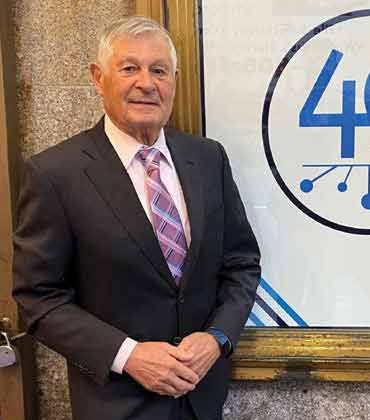
Generic drug development can be challenging, especially for medicines with complex active ingredients, formulations, dosage forms, or routes of administration. It is also difficult to obtain FDA approval, meet changing market demands, deal with supply chain disruptions, and compliance with environmental regulations. Having a partner to guide you through these challenges of development can be very beneficial and result in you getting to the market faster and having a significant competitive advantage. A leading full-service active pharmaceutical ingredient (API) development and supply company, ChemWerth provides current good manufacturing practices (cGMP) quality APIs to regulated markets for producing complex generic drugs. “ChemWerth manufactures the active pharmaceutical ingredient that goes into the finished dosage our customers file for actual patient use,” says Peter J. Werth, CEO of ChemWerth. With its extensive experience in custom synthesis and process optimization, ChemWerth addresses the increasing demand for complex and specialized APIs that are difficult to produce or not readily available in the market. This helps pharmaceutical companies develop their products, enter new markets, and stay ahead of competitors. Its expertise in chemical synthesis, process development, and analytical testing ensures its products meet strict regulatory standards and are of consistent quality. This helps pharmaceutical companies streamline their production processes, reduce costs, and ensure patient safety. To guarantee that these high standards are met, ChemWerth assigns a chemist, an analyst, and a regulatory expert from its Shanghai office to each of its factories, along with other employees. ChemWerth looks for products that are niche, difficult to develop chemically, or have other entrance obstacles, and produces them at its FDA-approved manufacturing facilities. The chemist executes their tasks, choosing the appropriate method, intermediates, and assisting in the production of the APIs. The analyst keeps track of the tests implemented, the methods used, and the project, ensuring the products are of high standards.

HTG Molecular Diagnostics, a platform-based life science tools and drug discovery company, is driven by the mission to accelerate precision medicine from diagnosis to treatment and drive translational research, novel therapeutics, and clinical diagnostics across a variety of disease areas. Building on more than a decade of pioneering innovation and partnerships with biopharma leaders and major academic institutes, HTG has incorporated two platform technologies. The first is the HTG EdgeSeq™ transcriptome profiling platform, which enables a more comprehensive understanding of the molecular pathways underlying a disease state. By monitoring the expression of all coding genes, it helps researchers acquire insights into the biology of drug candidates. The second platform technology is an advanced AI-based platform that permits quick candidate molecule screening based on transcriptomic analysis. “The greatest challenge in drug development continues to be related to either efficacy or safety. Attrition statistics show that still as much as 90 percent of drugs fail during clinical development.In our approach, we bring novel biological insight earlier in the process to select and design better molecules which should inevitably result in a de-risking of clinical development,” says John Lubniewski, president and CEO, HTG. HTG’s sequencing-based technology was initially designed as a platform for research and biomarker discovery, specifically RNA-based gene expression profiling. It does not require RNA extraction, resulting in higher-quality data even from small or archival samples. Compared to traditional RNA sequencing, HTG’s platform offers short turnaround times and high pass rates. It can produce about 45,000 data points per sample in a matter of days. Being disease agnostic, HTG is open to designing drugs for any disease as long as there is an unmet medical need. Currently, the company is focusing on two targets, one of which falls under the category of RNA-modifying proteins. The first indication is liquid tumors. However, there are up to eight more potential indications for various solid tumors. By filing provisional patents on the first set of compounds for the first indication in - December of 2022, the company is quickly approaching the preclinical development phase. The second target is also an early target and has been validated by the scientific community. It has a wide range of applications, with neurodegenerative disease treatment being the principal one.
Pharma Manufacturing

Sherene Min, VP, Head of Clinical Development, ViiV Healthcare
Pharmacy Management

Safwan Kezbor, M.D., Global Medical Lead, (Senior Medical Director), Clinical Development, Shionogi Inc
Pharmaceutical Distributor

Suci Ameliya Reza Zairizal, Associate Manager, Novugen Pharma
Pharma Manufacturing
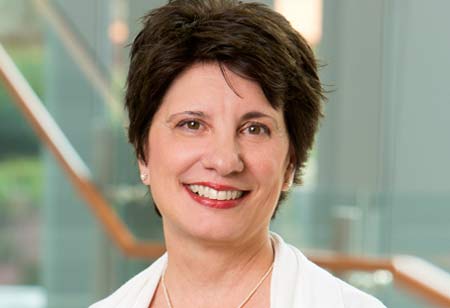
Diane Paskiet, Director of Scientific Affairs, West Pharmaceutical Services

Pharma Consulting
Jennifer Perrin, Director, MMS Holdings Inc
A vital component of contemporary medicine is drug distribution, which is essential to increasing the efficacy of pharmaceutical treatments.
The drug delivery platform space is undergoing a dynamic evolution, driven by advancements in technology, biology, and materials science.
Pioneering Technologies and Their Impact on Patient Care
One of the most significant advancements in drug delivery platforms is the application of nanotechnology. Nanoparticles, liposomes, and micelles are being engineered to deliver drugs more precisely to target tissues, minimizing side effects and improving therapeutic outcomes. These tiny carriers can be designed to respond to specific triggers, such as changes in pH or temperature, to release their payloads exactly where and when needed. This precision not only enhances the efficacy of treatments but also opens new possibilities for combating difficult-to-treat conditions, such as certain cancers and neurological disorders.
Digital technology is also making its mark on drug delivery platforms. Smart drug delivery systems, which integrate sensors and digital interfaces, allow for real-time monitoring and control of drug administration. These systems can adjust dosages automatically based on a patient’s physiological data, ensuring optimal therapeutic levels while minimizing the risk of overdose or underdose. Moreover, the data collected by these systems can be used to improve treatment protocols and personalize therapy further.
As the drug delivery platform space continues to evolve, it holds immense potential to transform healthcare. The convergence of nanotechnology, mRNA delivery systems, biodegradable polymers, and digital technologies is paving the way for more precise, safe, and personalized treatments.
In this edition, we have featured NeOnc. Led by Thomas Chen MD, PhD, a board-certified neurosurgeon and the director of surgical neuro-oncology at the University of Southern California, the company has formulated novel delivery methodologies and therapeutic formulations for cancers of that affect the central nervous system (CNS).