
THANK YOU FOR SUBSCRIBING

Pharma Tech Outlook Weekly Brief
Be first to read the latest tech news, Industry Leader's Insights, and CIO interviews of medium and large enterprises exclusively from Pharma Tech Outlook
Radiopharmaceutical therapy is transforming cancer care by combining the precision of molecular targeting with the cell-killing power of radiation. As new molecular targets and radionuclides continue to emerge, the field is rapidly becoming one of oncology's most promising treatment modalities. Yet one fundamental challenge remains: even the most accurate targeting molecule cannot maximize therapeutic benefit unless sufficient radiation reaches—and remains within—the tumor. Improving drug delivery, not simply target recognition, may represent the next frontier in precision radiotheranostics. Many radioligands circulate in the bloodstream for only a short time before being cleared by the kidneys. While increasing the administered radioactivity can partially compensate for this rapid clearance, it also exposes healthy tissues to additional radiation without solving the underlying pharmacokinetic limitation. The opportunity, therefore, is not merely to discover better molecular targets but to engineer smarter delivery systems that keep therapeutic agents in circulation longer and maximize tumor exposure. EvaThera™: Reengineering Drug Delivery Molecular Targeting Technologies Inc. (MTTI) was founded on a simple but ambitious question: What if the effectiveness of proven targeting molecules could be substantially enhanced through better pharmacokinetic delivery?
Caidya is a global drug development partner that supports emerging and mid-sized biopharmaceutical companies in the development of highly specialized therapies from first in human through registration. As clinical development becomes increasingly complex, with lean sponsor teams, compressed timelines and evolving regulatory requirements, sponsors require more than the traditional CRO; they need a true drug development partner. Caidya combines scientific expertise, operational agility and a collaborative approach to help sponsors advance complex clinical programs. Supporting studies across North America, Europe, APAC, Latin America and China, the company combines deep therapeutic expertise with the agility of a mid-sized company. Combining Global Reach with Mid-Sized Agility Executing clinical studies across more than 50 countries, Caidya brings together centralized global oversight and regional expertise to deliver consistent execution across diverse regulatory and cultural environments. Early scientific, operational and regulatory engagement with local experts, standardized operating procedures and proactive communication help maintain consistency while addressing regional regulatory and cultural requirements..


The work of a GLP bioanalysis lab sits at the heart of drug development. Each study generates large volumes of data that must be transformed into formal reports before regulator review. Chemists configure studies inside Watson LIMS, run assays, and produce data. Report writers then step in to collate information, retrieve tables, and copy values into Word templates to generate method validation reports and sample analysis reports, which later move through rounds of review. This workflow, while established, creates significant friction. Data must be pulled from Watson in formats that require manual adjustment. Templates are often scattered across network folders, slowing access. Copy-paste transfers introduce the risk of error, forcing quality control reviewers to check line by line. As a result, reports that should move quickly can stretch into months. LabIntegrity was created to close these gaps. The company brings decades of experience in laboratory informatics and developed StudyDoc, a system that connects directly to the Watson Oracle database, structures the data, and delivers ready-to-use drafts. What once stalled in manual transfers now flows faster and more accurately, giving labs a path to quicker, regulator-ready reporting while easing the quality control burden that previously weighed teams down. “StudyDoc is true off-the-shelf software, unlike rigid tools. It adapts to any workflow and can generate full or partial reports, giving labs flexibility competitors cannot match,” says Larry E. Elvebak, president. StudyDoc: Practical Automation for Bioanalysis Reports StudyDoc works directly with Thermo Scientific Watson LIMS, the industry standard for bioanalysis study design and compliant data storage. The software retrieves raw study data from the Watson Oracle database, generates properly formatted tables, enters in the report body table-specific statistical variables (such as minimums and maximums of accuracies and precision) and reports stability conditions, automatically hyperlinks tables to appropriate references in the report, and builds a draft report at the push of a button. A writer can receive a report that is already 80 percent complete. Competitors often require rigid workflows where every study looks the same. StudyDoc, however, accepts the reality of CROs and labs that handle multiple study designs. Configuration settings adapt to each client’s approach, making the tool practical rather than prescriptive. The payoff is speed and accuracy. Instead of copying numbers from Excel into Word, writers can rely on automated insertion of validated data. Integrity is reinforced through the Document Control Manager, where all reports reside in a controlled shell with permissions, versioning, and audit trails. Reports meet 21 CFR Part 11 requirements and satisfy regulatory expectations for traceability.
R. Holland Cheng, Chair and Director
What challenges limit the widespread use of advanced injectable therapies in healthcare today? Many of today’s most advanced treatments depend on injections, strict storage conditions, and trained professionals for administration. While these therapies are powerful, their delivery often limits how widely they can be used. Astrid Pharma approaches this challenge by focusing not just on what medicines can do, but on how they reach patients in real-world conditions. How does Astrid Pharma’s BioCapZ technology enable alternative delivery methods for complex therapies? At the center of its work is BioCapZ, a protein-based capsule designed to carry complex therapies safely through the body. Instead of relying on needles, the technology allows treatments to be delivered orally or through nasal administration. It is built to remain stable at room temperature, reducing dependence on refrigeration and making distribution easier across regions with limited medical infrastructure. “BioCapZ technology prioritizes safety, accessibility, and precision so that advanced medicines can reach more patients worldwide,” says R. Holland Cheng, chair and director of Astrid Pharma.

Pharma Platform
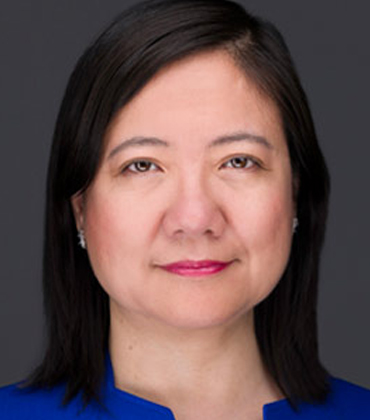
Haichen Yang, MD, MA, MBA, Vice President, Clinical Research, Amicus Therapeutics Inc
Pharma Manufacturing
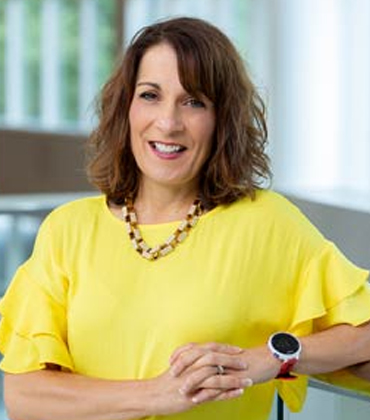
Sherene Min, VP, Head of Clinical Development, ViiV Healthcare
Pharma Manufacturing
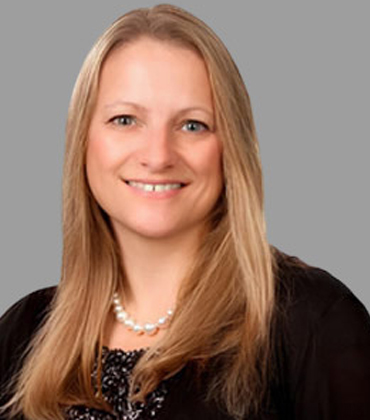
Dana Edwards, Vice President, Patient Access and Strategic Engagement, UBC
Drug Discovery and Development

Jeffrey W. Sherman, Chief Medical Officer Emeritus, Horizon Therapeutics Now Amgen
Pharma Manufacturing
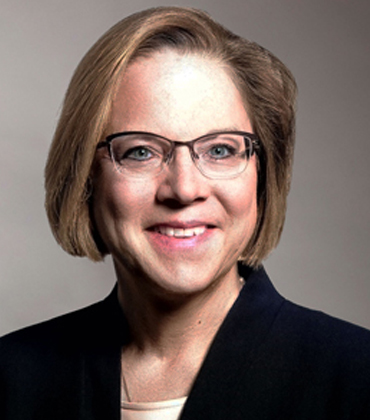
Dottie Barr, Senior Vice President Manufacturing & Technical Operations, Lantheus [NASDAQ: LNTH]

Pharma Manufacturing
Jorge Rodriguez, Head of Marketing, Alcami Corporation

Pharma Consulting
Jennifer Perrin, Director, MMS Holdings Inc
Clinical research organizations enhance efficiency, compliance, and scalability in global clinical trial operations.
In the healthcare sector, advanced imaging technologies are becoming more integral to effective medical care, especially when it comes to diagnosis.
The Next Chapter in Pharmaceutical Innovation
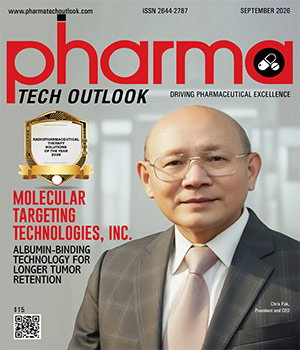
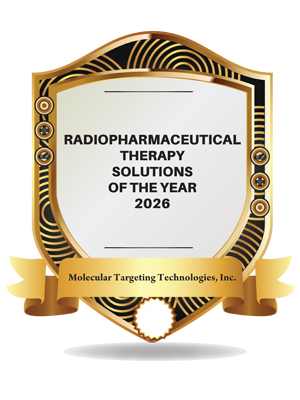
Molecular Targeting Technologies, Inc., our Radiopharmaceutical Therapy Solutions of the Year 2026, is taking a different approach to drug delivery through its EvaThera platform. By using reversible albumin binding, the platform extends circulation and is designed to improve tumor uptake and retention while reducing the amount of administered radioactivity. Its lead program, EBTATE, has produced clinical data from 81 patients, supporting the approach and opening possibilities across additional targets. MTTI’s work highlights the importance of improving how a therapy reaches and remains at its intended target.
Caidya, named Top Clinical Research Organization 2026, takes a hands-on approach to complex clinical development. It combines scientific and regulatory expertise with the agility of a mid-sized organization, working closely with sponsors from early planning through trial execution. Across more than 50 countries, its patient-focused approach, risk management and technology-enabled oversight have helped reduce reconciliation timelines and query volumes while keeping clinical programs moving.
Haichen Yang, MD, MA, MBA, Vice President, Clinical Research, Amicus Therapeutics Inc., explores the safety, manufacturing and clinical development challenges that can make the move from preclinical research to human trials difficult for gene therapy programs. Dana Edwards, Vice President, Patient Access and Strategic Engagement, UBC, examines how patient services support oncology care through financial assistance, reimbursement support, education and coordination.
Together, these perspectives show that meaningful progress depends on more than scientific advances alone. We invite readers to explore the issue for insights into the technologies, clinical approaches and leadership perspectives shaping the future of pharmaceutical innovation.