
THANK YOU FOR SUBSCRIBING

Pharma Tech Outlook Weekly Brief
Be first to read the latest tech news, Industry Leader's Insights, and CIO interviews of medium and large enterprises exclusively from Pharma Tech Outlook


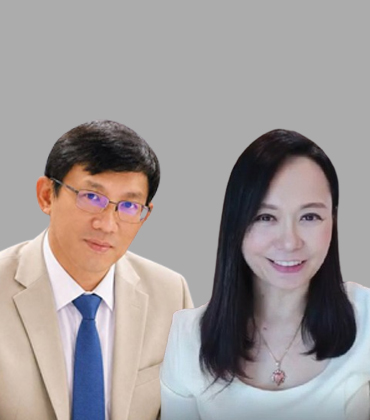 Choon How Wan, Founder and Managing Director and Pauline Chang, Director – Validation
“We don’t ask manufacturers to adapt to our systems. We engineer our systems around their manufacturing reality,” says Choon How Wan, founder and managing director.
That philosophy shapes Howern Wasser’s Engineering, Procurement and Construction Management (EPCM) approach. Instead of beginning with equipment selection, every project starts with understanding how a facility operates, what its manufacturing process requires, and how the water system must support both current production and future demand.
The assessment findings shape the User Requirement Specification (URS), hydraulic modelling, equipment configuration, material selection, and GMP documentation. From there, the project progresses through equipment fabrication, Factory and Site Acceptance Testing (FAT/SAT), commissioning, and qualification. By delivering this work scope through a single EPCM contractor, the owner benefits from tighter integration and greater control over design, validation, and construction. A unified engineering team carries out every stage of the project, eliminating the complexity of coordinating multiple vendors. The modular architecture also allows manufacturers to introduce additional production lines or adopt new purification technologies without redesigning the existing utility infrastructure, an advantage not typically available with conventional design-build projects.
One brownfield integration project illustrates Howern Wasser’s engineering approach. An operational pharmaceutical manufacturer needed to integrate new PW and WFI generation systems into an existing validated distribution loop without interrupting production. Through detailed planning, off-site prefabrication, comprehensive qualification, and well-managed shutdown activities, Howern Wasser completed the upgrade within a limited maintenance window, increasing production capacity while preserving the existing distribution loop. This achievement reinforced the company’s recognition as the Top Pharmaceutical Water Engineering Services in APAC 2026.
Supporting manufacturers beyond project delivery is equally central to Howern Wasser’s approach. The company provides vendor-independent maintenance, validation, refurbishment, and upgrade services for pharmaceutical water systems from multiple OEMs, supported by comprehensive engineering documentation and complete component traceability. To strengthen long-term system performance, Howern Wasser developed EPIMA, its proprietary remote monitoring platform. By continuously monitoring key operating parameters, EPIMA supports predictive maintenance, simplifies audit readiness, and identifies developing issues before they affect day-to-day manufacturing operations.
The same philosophy extends to situations where permanent systems must be taken offline. During major upgrades, planned maintenance, refurbishment projects, or emergencies, pharmaceutical manufacturers still require a reliable supply of GMP-compliant purified water. To address this challenge, Howern Wasser introduced Malaysia’s first GMP pre-validated containerized Purified Water System. Designed for fast deployment, the mobile solution provides a temporary GMP-compliant water supply while permanent systems are upgraded or replaced, allowing critical manufacturing activities to continue.
As pharmaceutical manufacturers continue modernizing legacy GMP facilities, the demands placed on pharmaceutical water systems will continue to evolve. Through EPCM delivery, lifecycle engineering, intelligent monitoring, and practical innovation, Howern Wasser helps manufacturers build water systems that evolve with their facilities while preserving the integrity of existing operations.
What Do Pharmaceutical Water Engineering Systems Need To Support?
Pharmaceutical Water Engineering Services in APAC cover the design, integration, testing and qualification of water systems used in pharmaceutical manufacturing. These systems can include Purified Water (PW), Water for Injection (WFI) and Ultra-Pure Water (UPW). Effective engineering begins with the facility rather than a standard equipment package, taking account of feedwater conditions, production requirements, existing infrastructure and future capacity needs. A well-planned system also connects design decisions with GMP documentation, commissioning and qualification.
How Does Howern Wasser Approach Pharmaceutical Water Engineering Services in APAC?
Howern Wasser uses an Engineering, Procurement and Construction Management (EPCM) approach for Pharmaceutical Water Engineering Services in APAC. Its process starts with assessing incoming feedwater because water characteristics can vary across locations and seasons. The findings inform the User Requirement Specification, hydraulic modelling, equipment configuration, material selection and GMP documentation. The same engineering scope continues through equipment fabrication, Factory and Site Acceptance Testing, commissioning and qualification, giving the project a unified technical workflow.
Why Is Brownfield Integration Important In Pharmaceutical Water Engineering?
Brownfield projects require pharmaceutical water systems to be expanded or upgraded without unnecessarily disrupting validated production. Pharmaceutical Water Engineering Services in APAC must therefore account for existing distribution loops, control logic, maintenance windows and qualification requirements. Off-site prefabrication, detailed shutdown planning and staged commissioning can reduce the amount of work performed during a limited production interruption. The design also needs to anticipate future capacity increases so new production lines can be added without forcing a complete redesign of the utility infrastructure.
What Should Manufacturers Evaluate When Selecting A Pharmaceutical Water Engineering Partner In APAC?
A useful evaluation should go beyond the treatment equipment itself. Pharmaceutical Water Engineering Services in APAC should be assessed on feedwater analysis, hydraulic design, material and equipment selection, qualification discipline and lifecycle support. Documentation should connect approved designs with installation records, welding evidence, material certificates and instrumentation details. Testing should also verify control logic, sanitization functions, alarms and sustained water quality under production conditions. The ability to work within an operating facility is equally important where shutdown windows are narrow.
What Distinguishes Howern Wasser Within Pharmaceutical Water Engineering Services in APAC?
Howern Wasser combines project delivery with ongoing support for Pharmaceutical Water Engineering Services in APAC. Its work includes vendor-independent maintenance, validation, refurbishment and upgrades for pharmaceutical water systems from multiple OEMs. EPIMA, its proprietary remote monitoring platform, tracks operating parameters and supports predictive maintenance, audit readiness and early issue detection. The company has also introduced a GMP pre-validated containerized Purified Water System in Malaysia, designed to provide temporary compliant water supply while permanent systems are upgraded, replaced or taken offline.
How Can Pharmaceutical Water Engineering Projects Support Long-Term Manufacturing Continuity?
Pharmaceutical Water Engineering Services in APAC can support continuity when water infrastructure is treated as a lifecycle asset rather than a one-time installation. Modular system architecture can allow staged capacity increases and future purification technologies without redesigning the broader utility infrastructure. Remote monitoring can help identify developing problems before they affect production, while vendor-independent engineering support can assist with maintenance across systems supplied by different manufacturers. Temporary water systems can also preserve compliant supply during major refurbishment, planned maintenance or emergency replacement.
Company
Howern Wasser
Management
Choon How Wan, Founder and Managing Director and Pauline Chang, Director – Validation
Description
Howern Wasser is a Malaysian pharmaceutical water engineering company specializing in Purified Water (PW), Water for Injection (WFI), and Ultra-Pure Water (UPW) systems. Through its integrated EPCM approach, the company delivers customized, scalable, and lifecycle-focused solutions that help pharmaceutical manufacturers maintain compliance, operational continuity, and long-term manufacturing resilience.