
THANK YOU FOR SUBSCRIBING

Pharma Tech Outlook Weekly Brief
Be first to read the latest tech news, Industry Leader's Insights, and CIO interviews of medium and large enterprises exclusively from Pharma Tech Outlook


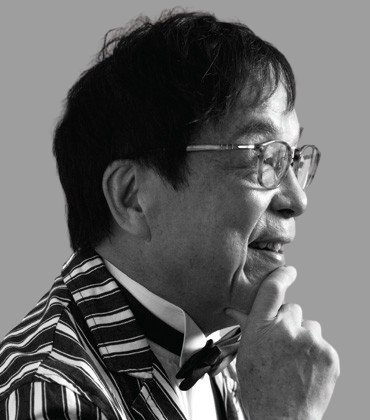 Dr. Minoru Ueda, Chairperson of SAISEIKEN and Professor Emeritus, Nagoya University School of Medicine
SAISEIKEN has boldly stepped into this challenging arena to solve the unmet medical needs with a novel approach—conditioned medium therapy (CMT).
Dr. Minoru Ueda, chairperson of SAISEIKEN and Professor Emeritus, Nagoya University School of Medicine sheds light on what makes CMT stand out. It is the unique biological resource it leverages—the human exfoliated deciduous teeth derived conditioned medium (SHEDCM) or simply the milk teeth.
“By harnessing stem cells from milk teeth, we capitalize on the shared origin of these cells with the central nervous system, which includes the brain and spinal cord,” says Dr. Ueda.
This natural affinity between the regenerative capabilities of SHEDCM and the needs of damaged neural tissue leads to breakthroughs in regenerative medicine, offering new pathways for repairing and restoring function for neurodegenerative diseases.
The therapeutic journey begins with extracting stem cells from the dental pulp found in milk teeth. The defining feature lies in applying ultrasound stimulation during the cell culture process. This technique significantly accelerates the proliferation of the stem cells, allowing their numbers to reach millions within two weeks. The non-serum culture environment further enriches this process, leading to an abundant production of cytokines, exosomes, and growth factors while simultaneously reducing the risk of contamination. Another key advantage of this ultrasonic culture technique is it bypasses the need for genetic manipulation, ensuring the safe production of SHEDCM without the risk of transforming the normal stem cells into cancerous cells.
SAISEIKEN’s methodology is both pioneering and empathetic, taking into account the patient’s holistic experience, from the physical to the psychological. How? It utilizes stem cells sourced from voluntarily donated milk teeth, as opposed to the more common practice of harvesting stem cells directly from the patient’s own body.
Further cementing its role as a trailblazer, SAISEIKEN’s CMT is engineered for administration through both intravenous and transnasal routes, providing a level of dosage flexibility that is uniquely responsive to individual therapeutic needs. This versatility is a marked improvement over traditional stem cell therapies, which are frequently limited by the potential risk of thrombosis linked to high cell count infusions. By eliminating such risks, CMT signifies a considerable progression in patient safety.
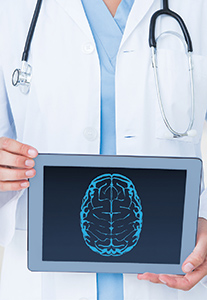 The therapy is already showing promising results in clinical tests. These trials, which included 15 ALS patients, 50 AD patients, and 15 cases of chronic brain infarction, demonstrated considerable efficacy in all instances. Ninety percent of ALS patients demonstrated noticeable mobility improvements within a month, marking a significant breakthrough in the field. Many other clinical studies have also reinforced SHEDCM’s effectiveness in treating a range of allergic conditions, such as rheumatism and atopic dermatitis.
The profound impact of SAISEIKEN’s treatment was vividly illustrated by a 47-year-old struggling with severe motor control. This condition had previously demanded intensive support from caregivers, necessitating round-the-clock assistance. Following the administration of SAISEIKEN’s treatment, the patient exhibited remarkable improvement in motor function, alleviating the burden on caregivers and associated stress. This outcome underscores the therapy’s extensive benefits beyond the patient to address the broader social and healthcare challenges faced by caregivers and patient’s families.
By harnessing stem cells from milk teeth, we capitalize on the shared origin of these cells with the central nervous system, which includes the brain and spinal cord
Encouraged by these promising case scenarios, SAISEIKEN is now actively seeking partnerships with leading pharmaceutical companies to propel clinical trials and accelerate regulatory approval. The company stands on the cusp of a medical revolution. As it strides forward, SAISEIKEN is not just pioneering a new chapter in the treatment of ALS, Alzheimer’s, and cerebral infarctions; it is redefining hope for countless lives touched by neurodegenerative conditions.
Company
SAISEIKEN
Management
Dr. Minoru Ueda, Chairperson of SAISEIKEN and Professor Emeritus, Nagoya University School of Medicine
Description
SAISEIKEN has introduced a conditioned medium therapy (CMT) that uses stem cells from human exfoliated deciduous teeth (SHED). Harnessing stem cells from milk teeth, it capitalizes on the shared origin of these cells with the central nervous system, which includes the brain and spinal cord.


