
THANK YOU FOR SUBSCRIBING

Pharma Tech Outlook Weekly Brief
Be first to read the latest tech news, Industry Leader's Insights, and CIO interviews of medium and large enterprises exclusively from Pharma Tech Outlook
A featured contribution from Leadership Perspectives: a curated forum reserved for leaders nominated by our subscribers and vetted by our Pharma Tech Outlook Advisory Board.

Stephan Sheehan, director of external development at Alkermes, has built a career defined by innovation, adaptability and a relentless drive for excellence. With a Chemical Engineering degree from University College Dublin, he began his journey at Intel, where he mastered Six Sigma, root cause analysis and statistical process control. Sheehan then transitioned to Millipore, where he spearheaded the transfer of seven medical device production lines and optimised modelled membrane manufacturing processes, earning a Six Sigma Greenbelt. Since joining Alkermes in 2014, Sheehan has driven transformative change in pharmaceutical manufacturing. From pioneering the development of complex drug delivery candidates to managing CDMO partnerships for both small—and large-molecule projects, he has been instrumental in shaping Alkermes strategy and operations. His ability to navigate complex challenges and drive results positions him as a key figure in pharmaceutical innovation, shaping the future of the industry.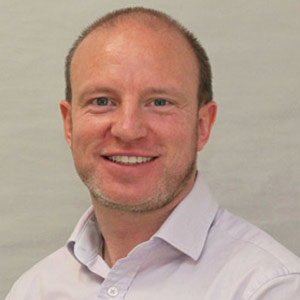
Stephen Sheehan
Recognising Sheehan’s visionary leadership and corporate fineness that has driven business success, this exclusive interview delves into his invaluable insights on transforming CDMO relationships from operational partnerships into strategic collaborations.
At a Glance:
• A tailored governance framework ensures each partnership aligns with evolving needs, fostering strategic collaboration and operational success.
• Root cause analysis and structured thinking drive effective resolutions without rigid reliance on formal frameworks.
• Weekly technical meetings focus on process development, while biweekly business meetings streamline financials and contracts, enhancing outcomes.
A Strategic Shift: Enhancing CDMO Performance
When I first started managing CDMOs, one of our biggest hurdles was working with a large molecule drug substance manufacturer. We faced communication breakdowns and inconsistencies in managing both the drug substance and drug product CDMOs for the same product. The absence of a standardised governance model only amplified these challenges.
“The key to effective problem-solving isn’t rigid frameworks—it’s disciplined, analytical thinking that uncovers root causes and drives actionable solutions”
Realising the need for a more strategic approach, we set out to develop a comprehensive governance framework. Our goal was to create a structure that would align business objectives with a clear, executable programme plan for our CDMOs. By focusing on building a best-in-class partnership—both strategic and operational—we aimed to streamline interactions and enhance efficiency. Nearly two years after implementing this model, it has become the cornerstone of our stronger, more effective CDMO collaborations.
The Three-Tier Approach
Our governance model elevates CDMO relationships from simple operational partnerships to strategic collaborations that drive lasting value. By aligning business, strategic and operational goals, we’ve created a three-tier model that guarantees seamless integration and mutual success.
At the top tier, ‘Business Direction,’ we define the strategic objectives for both Alkermes and the CDMO. Annual meetings help us align priorities, assess the CDMO’s evolving capabilities and identify new opportunities for growth. This ensures that as they continue to deliver high-quality results, we can explore new avenues for collaboration.
The middle tier, ‘Executional Oversight,’ turns these strategic objectives into actionable tactical plans, maintaining accountability throughout the execution process.
At the bottom tier, ‘Operational Delivery,’ the focus is on executing those tactical plans, ensuring every level of the partnership is aligned to deliver measurable, impactful results. This governance structure empowers both Alkermes and our CDMOs to work as true strategic partners, creating a future of collaboration, innovation and shared success.
The Governance Model Boosting CDMO Success
At the operational delivery level, we use a governance framework that is applied across all our CDMOs. However, each partnership is unique, so we tailor the operating model to meet the specific needs of the relationship. This model evolves based on lessons learned and the changing dynamics of the partnership.
One critical improvement we made was separating technical and business discussions. Initially, we combined these in technical meetings, which proved ineffective. Now, we hold weekly technical meetings focused solely on analytical development, process development, formulation and similar areas. Non-technical topics, such as contract reviews, invoice resolution, financials, team dynamics and risk mitigation, are addressed in biweekly business meetings. This separation makes sure technical teams can concentrate on their work without distractions, while business issues are handled efficiently. This dual-meeting structure has significantly improved technical and business outcomes, fostering stronger and more effective partnerships.
The Mindset of Analytical Problem-Solving
Six Sigma’s core principles of root cause analysis and analytical problem-solving remain central to my approach. For me, it’s less about adhering to a specific framework and more about embracing a disciplined mindset.
When tackling challenges, I prioritise a methodical, structured approach—breaking down problems to uncover root causes and devise effective solutions. This requires setting aside emotions and relationship dynamics to remain objective and focused on achieving the best outcome. Although I may not use Six Sigma tools directly, the analytical rigour it fosters continues to shape how I navigate and resolve complex issues.
Ask, Learn, Adapt: Strategies for Succeeding in a New Role
Transitioning from a technical field like process development to managing relationships and working with vendors can be a steep learning curve. One of the most valuable strategies is to ask questions and stay curious. I leaned heavily on colleagues with years of experience, setting up weekly meetings to discuss best practices and gain their insights.
Attending conferences and networking with peers also proved helpful in understanding industry standards and common challenges. It’s important to remember that most issues you encounter have likely been addressed before, so there’s no need to reinvent the wheel. However, while industry best practices are a great resource, they shouldn’t be copied and pasted directly into your organisation.
Instead, take the time to adapt them to the unique context of your situation to make them work effectively. By being curious, collaborative and adaptable, you can navigate the challenges of a new role with confidence.
